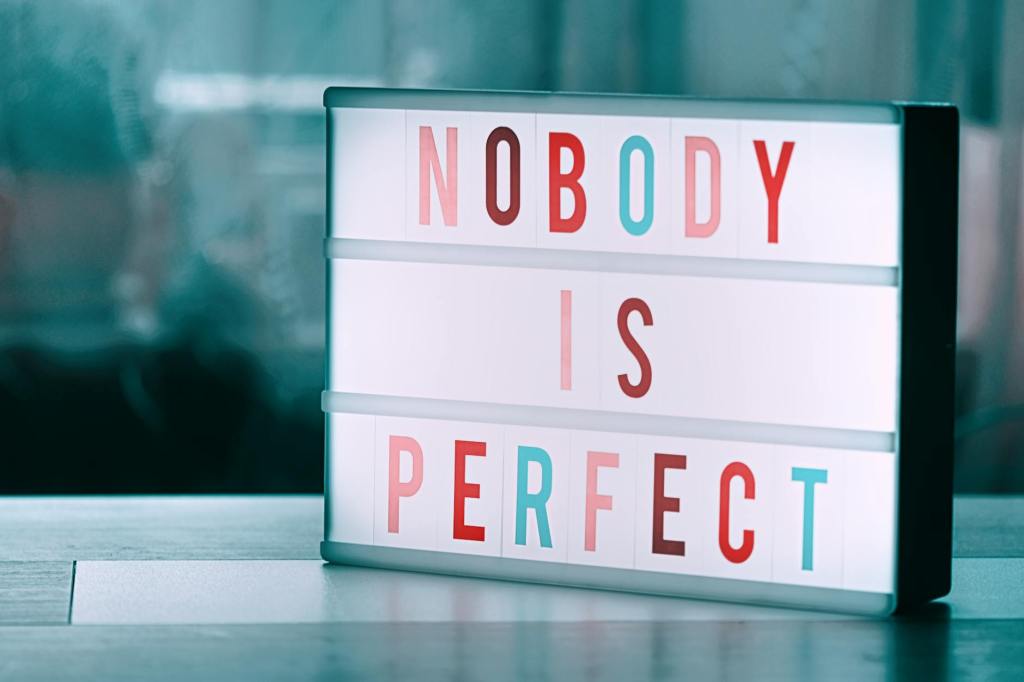
We often think of perfectionism as a “good problem to have.” After all, what could be so bad about striving for excellence, right? But if we dig a little deeper, we quickly find that perfectionism isn’t about excellence at all. It’s about survival.
For many, perfectionism is less of a personality trait and more of a trauma response.
Why Perfectionism Can Be Rooted in Trauma
When children grow up in environments where love feels conditional (based on performance, behavior, or compliance) they quickly learn that being “perfect” is the safest way to avoid conflict, rejection, or punishment.
Perfectionism, then, becomes armor. It says:
- If I never mess up, I won’t get hurt.
- If I always achieve, I’ll finally feel worthy.
- If I keep everyone happy, maybe I won’t be abandoned.
Fast forward to adulthood, and this coping strategy still runs the show even when it leaves us exhausted, anxious, and disconnected from who we truly are.
The Cost of Perfectionism
Perfectionism often leads to:
- Chronic anxiety and burnout
- Fear of failure or rejection
- Struggles with authenticity in relationships
- An inability to rest or celebrate progress
It’s like living life with an invisible measuring stick that never says good enough.
Healing Beyond Perfectionism
The good news? Perfectionism isn’t who you are. It’s a default protective strategy that your nervous system created. Which means, with the right tools and support, you can unlearn it.
Healing often looks like:
- Practicing self-compassion instead of self-criticism
- Allowing mistakes as part of being human
- Reframing rest as productive for your nervous system
- Learning to identify and soothe the fear underneath the perfectionist drive
One book I often recommend to clients who are navigating perfectionism and trauma is Try Softer by Aundi Kolber. It offers gentle, practical tools for loosening the grip of perfectionism and learning to live with more kindness toward yourself.
Final Thoughts
If you’ve carried the heavy weight of perfectionism for years, know this: you weren’t born believing you had to be perfect. Somewhere along the way, life taught you that message and now, you have the power to unlearn it.
Freedom isn’t found in being flawless. It’s found in being fully human.






 Sarah Murcko
Leave a comment